Experiencing E SAF Production Firsthand – BARIG Airlines Visit INERATEC’s Operational PTL Plant
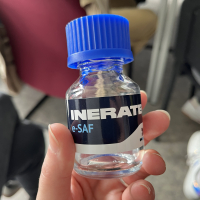
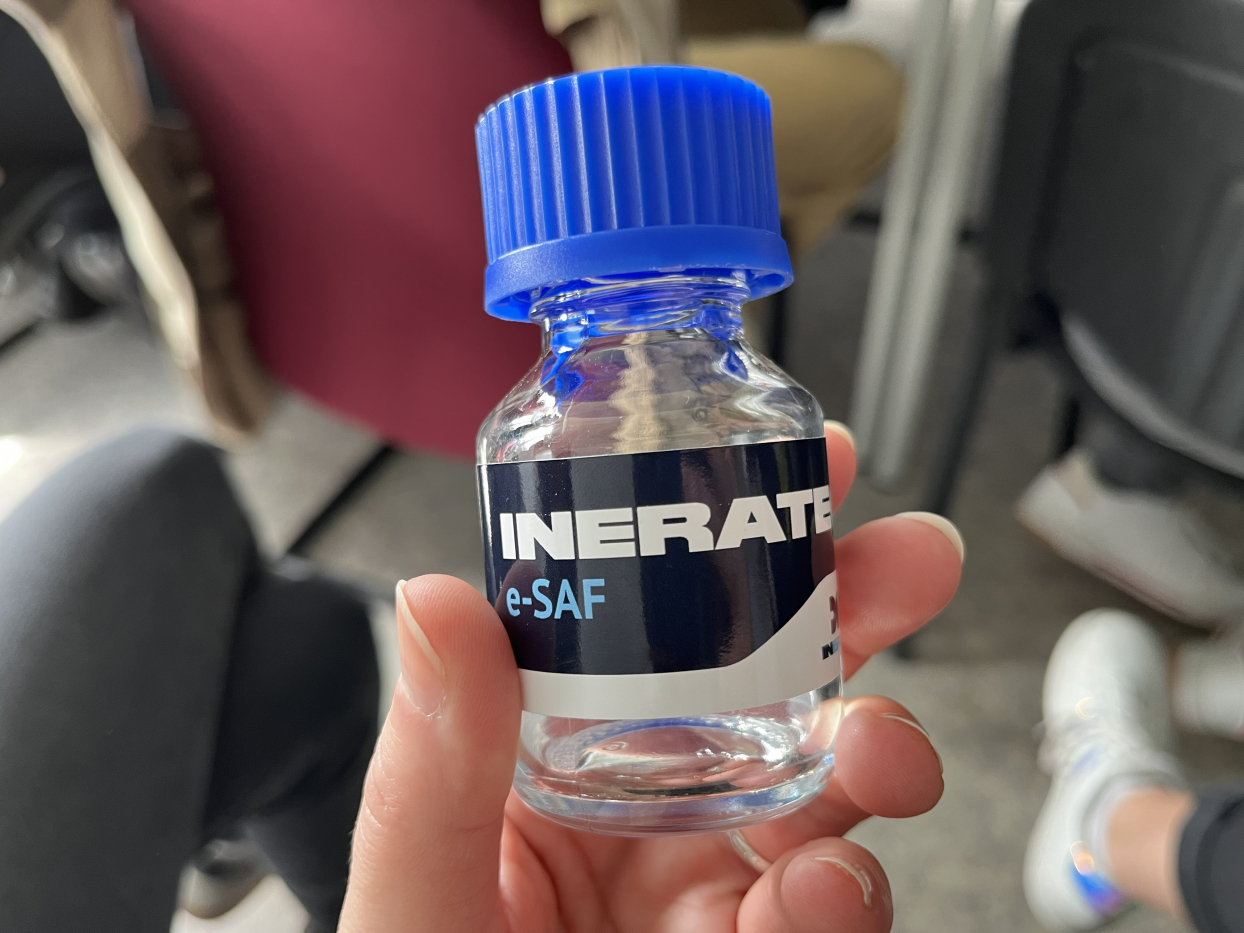
Sustainable aviation fuel (SAF) has emerged as a key solution for reducing aviation emissions in the short to medium term. Synthetic SAF, produced via Power-to-Liquid (PtL) from captured CO2 and renewable hydrogen, can be used directly in existing aircraft and infrastructure. While production volumes remain limited, SAF is increasingly relevant not only for climate objectives but also for strengthening long-term energy security and fuel supply resilience within Europe.
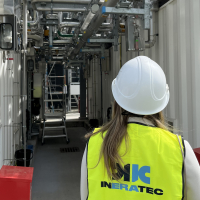
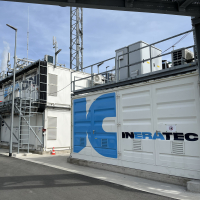
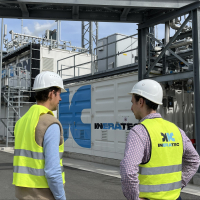
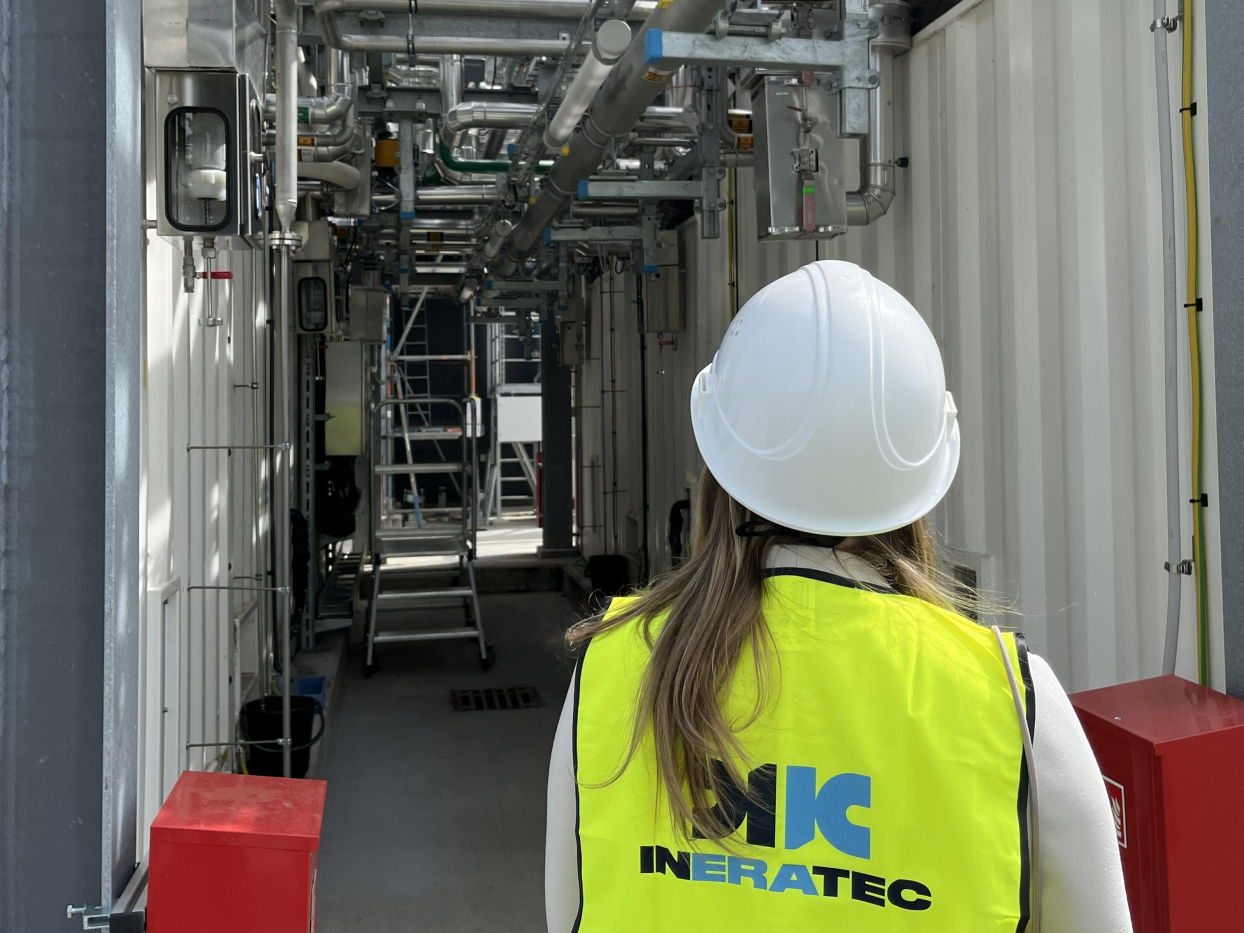
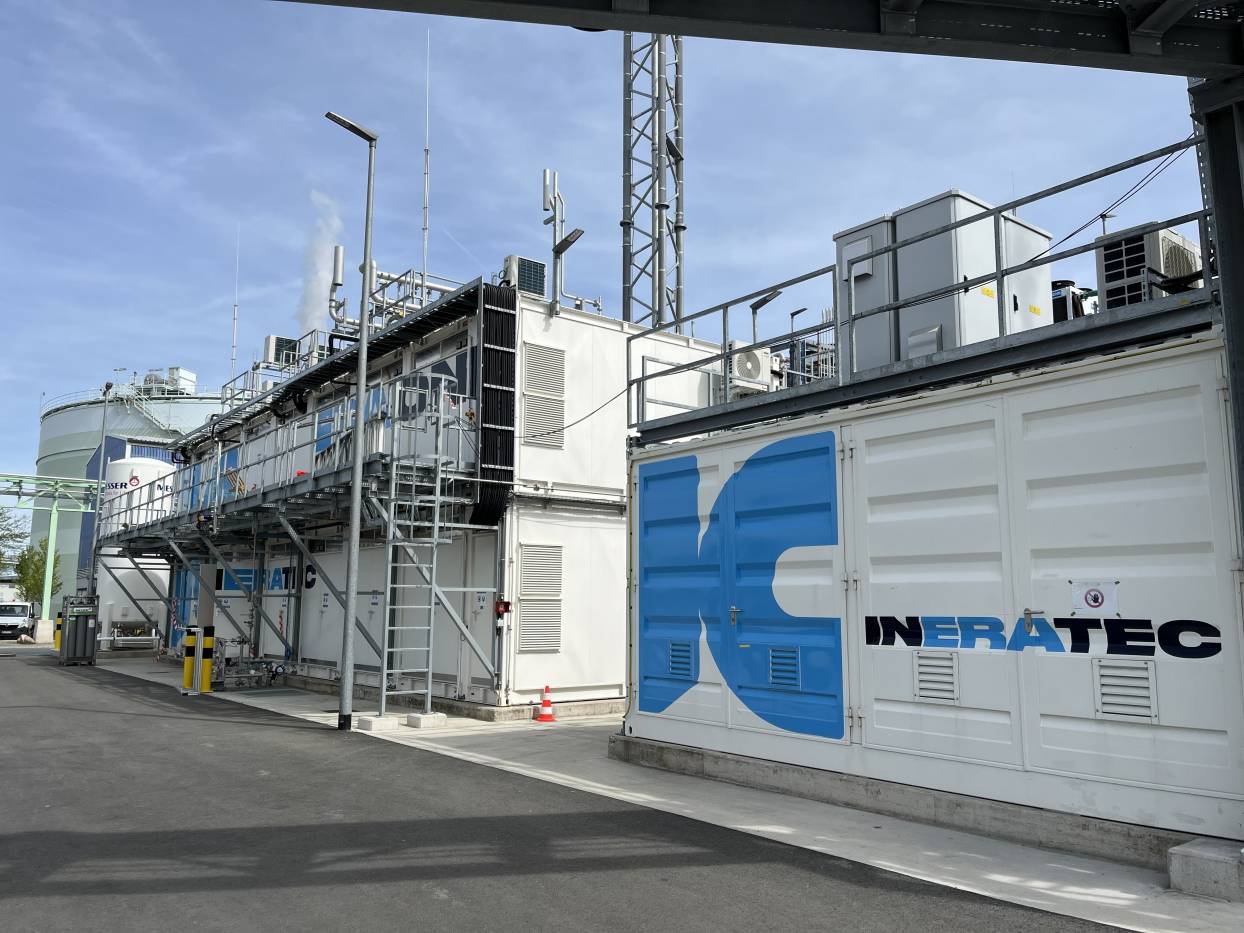
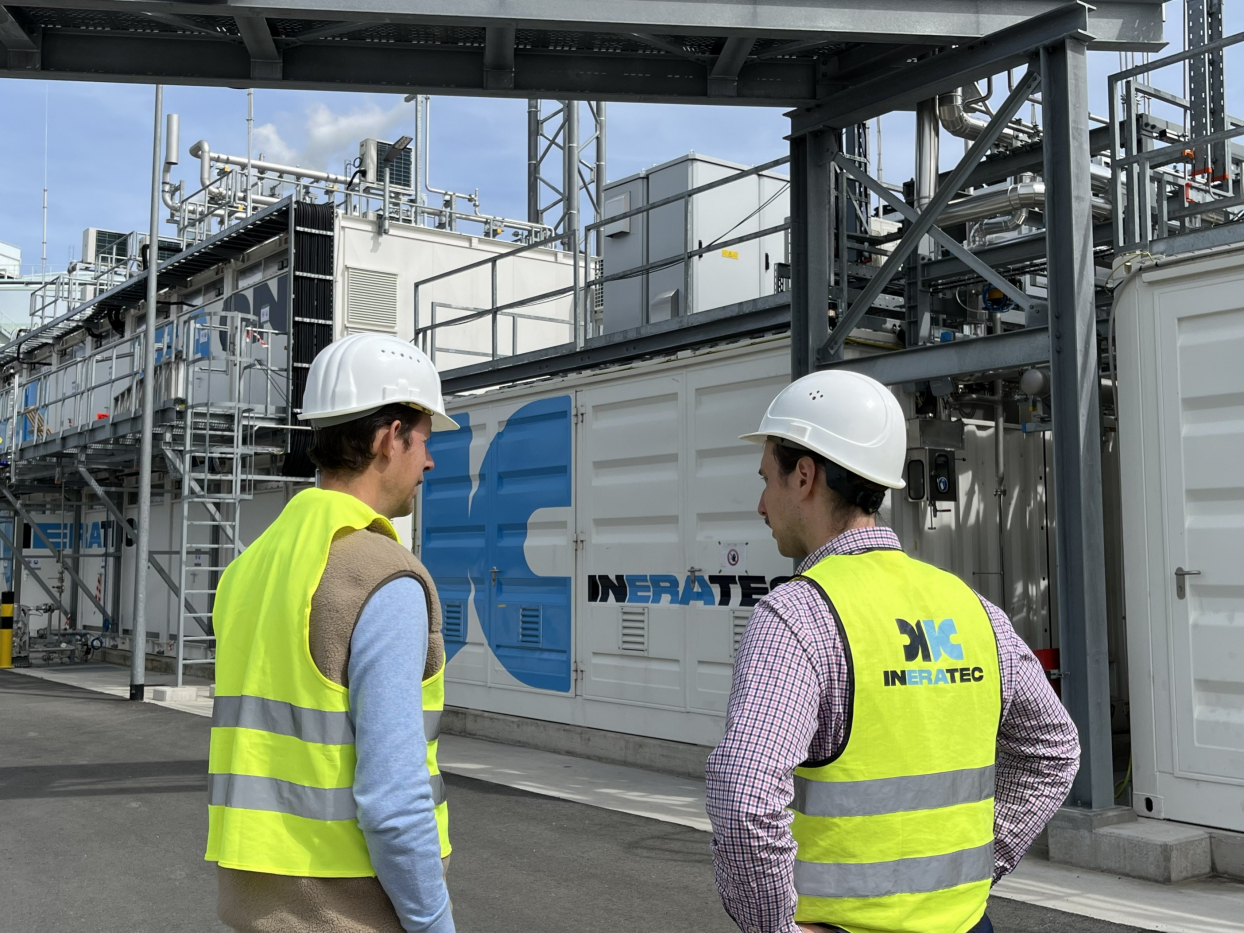
In Germany, INERATEC is a central player in this development. Founded in 2016, the company develops modular PtL plants that convert CO2 and green hydrogen into synthetic fuels and chemical products. Its “ERA ONE” facility at Industriepark Frankfurt-Höchst near Frankfurt Airport began operations in 2025. With an annual capacity of up to 2,500 tons, it currently represents one of Europe’s most advanced operational PtL plants.
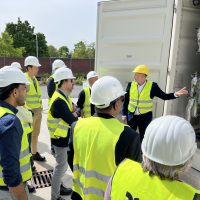
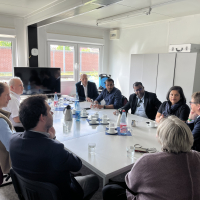
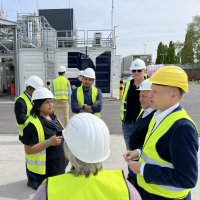
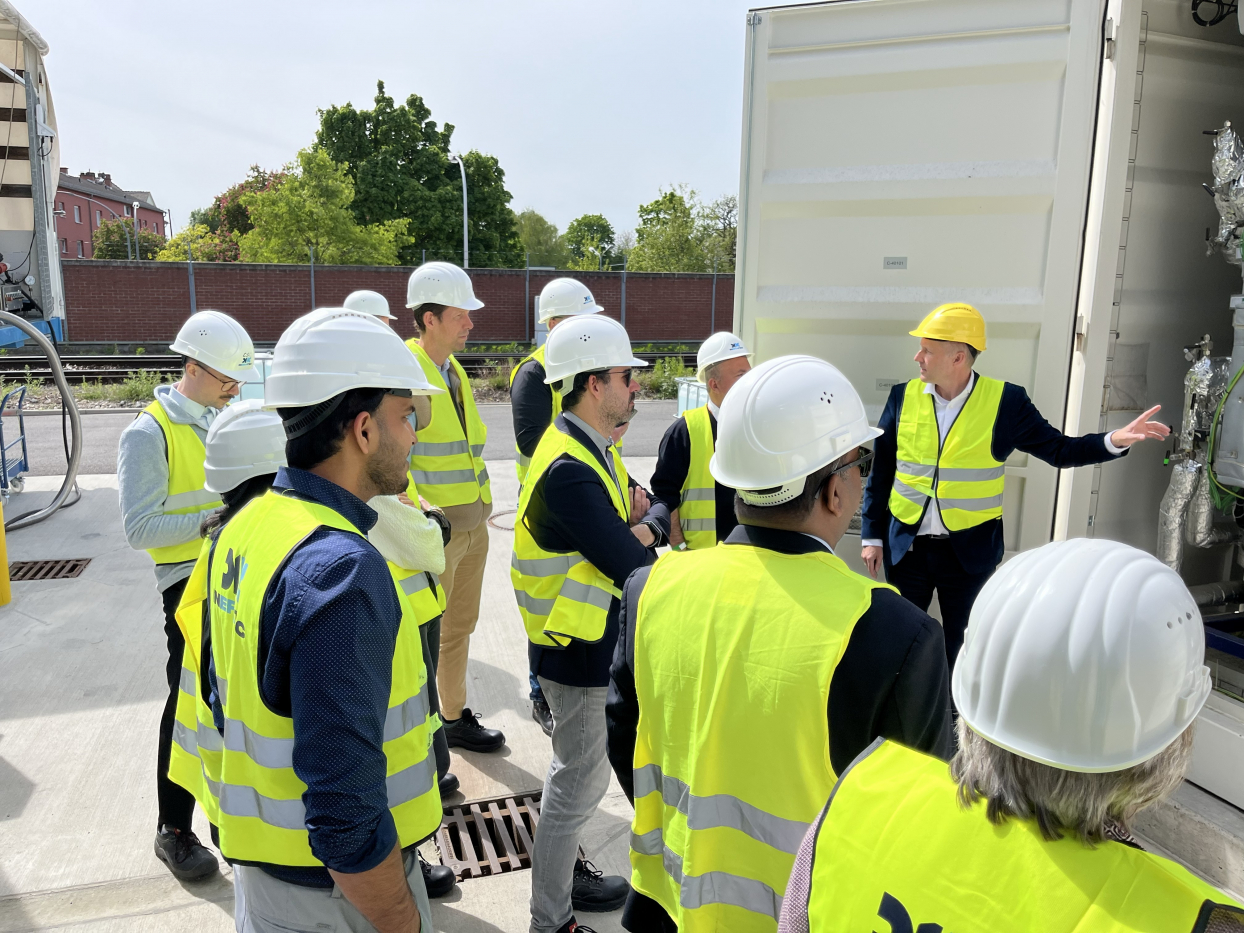
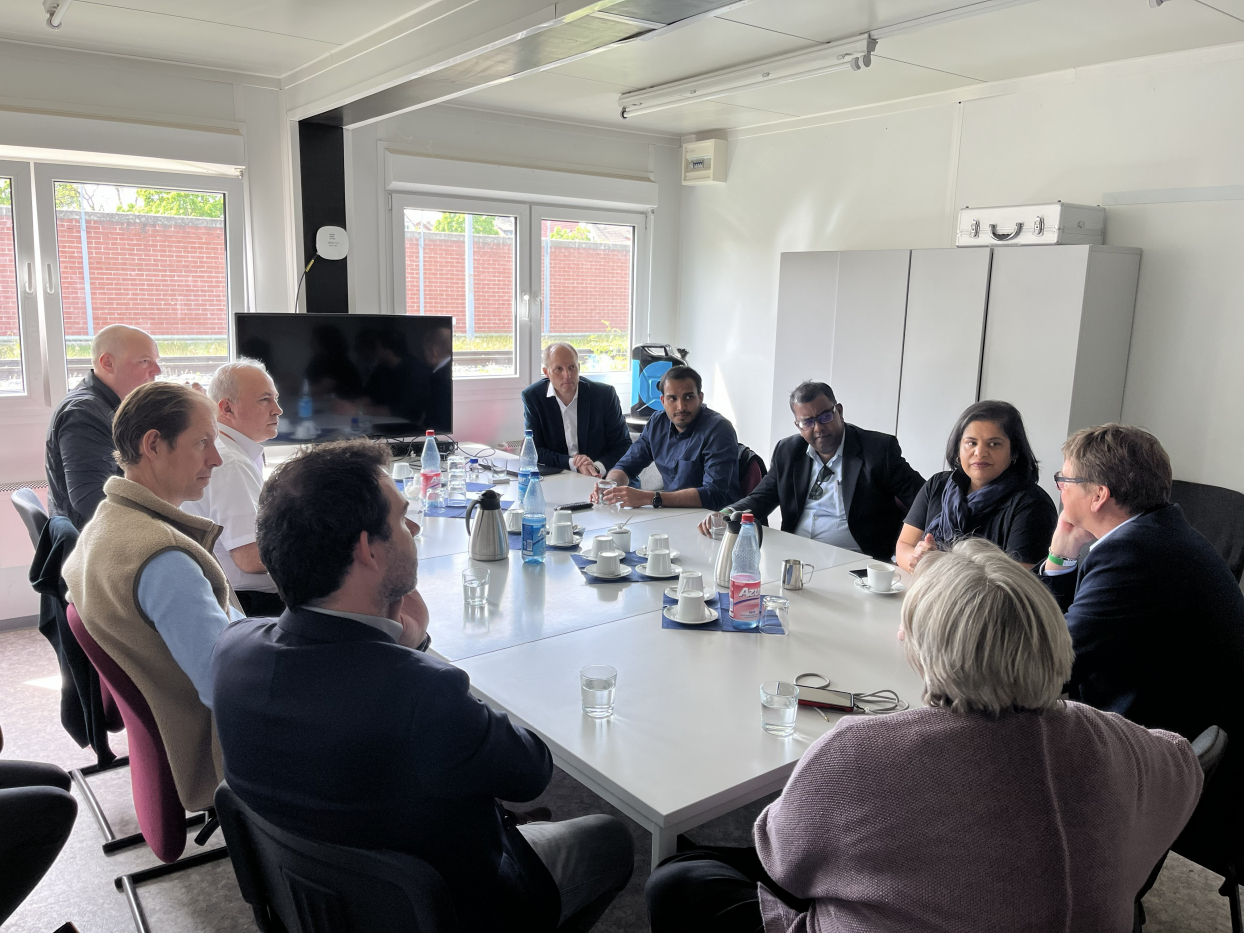
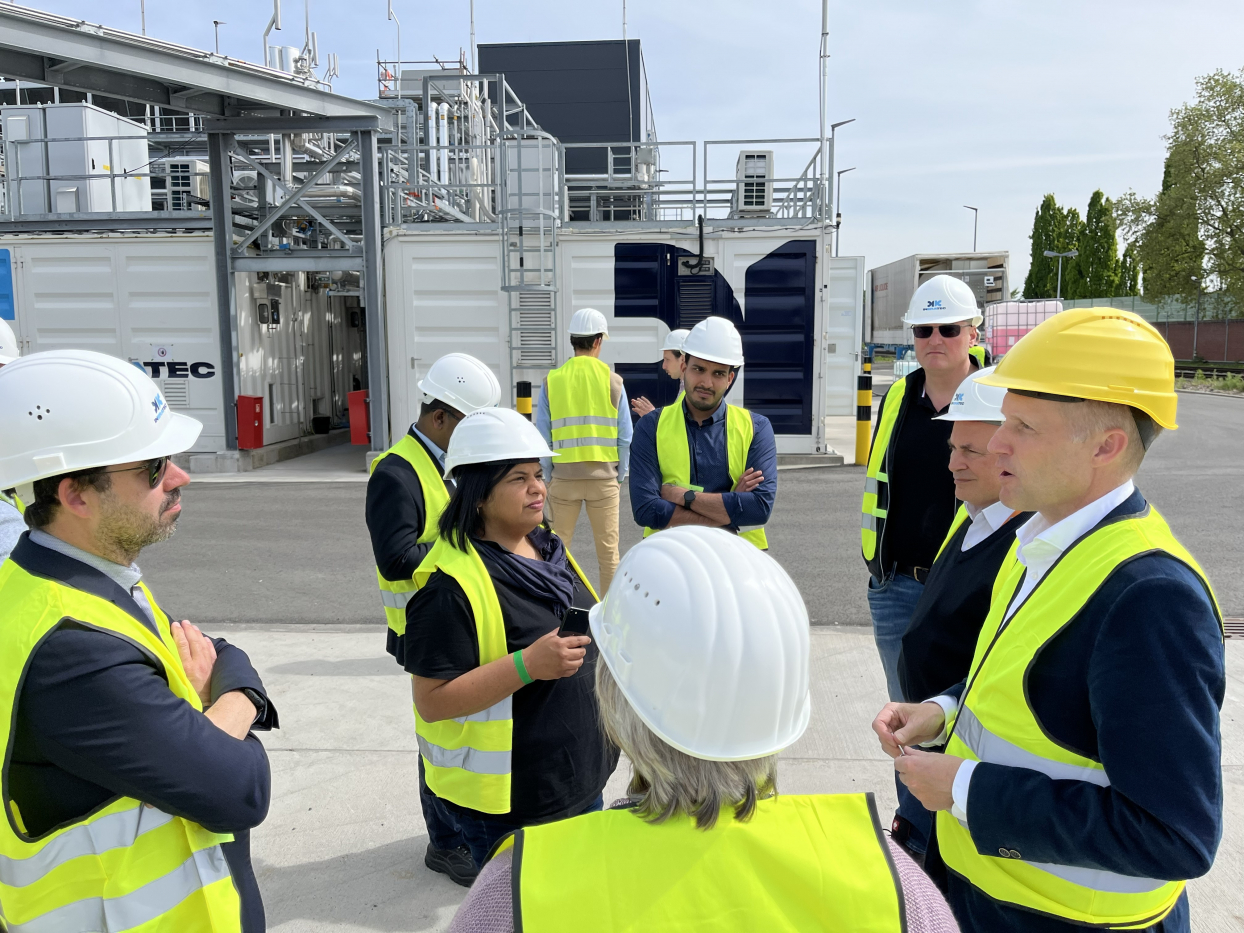
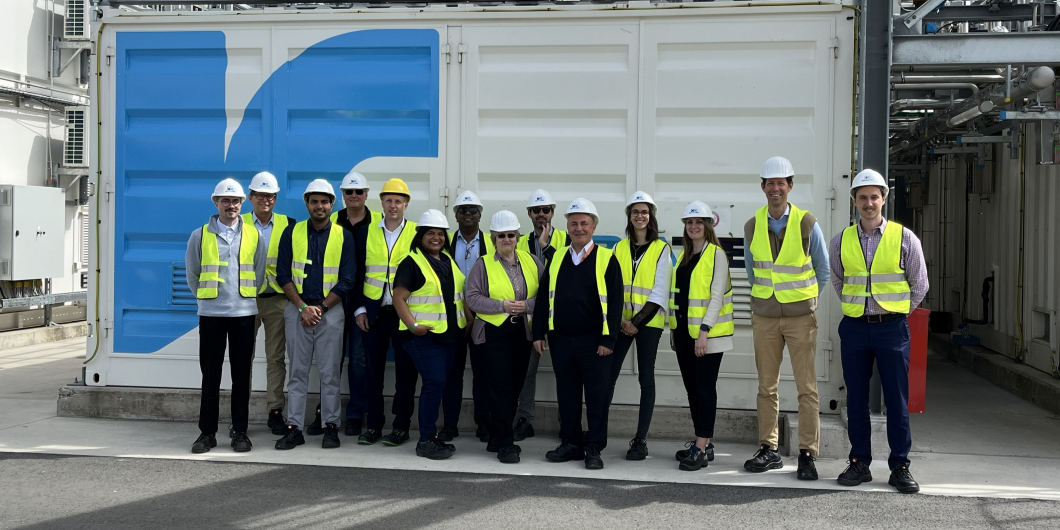
A recent visit by the Board of Airline Representatives in Germany (BARIG), together with airline members, provided insight into the current state and future potential of PtL-based SAF. INERATEC’s modular plant design allows for flexible expansion depending on location. Further growth has already been planned, including a new facility in Marseille, France, with an expected capacity of around 13,500 tons per year.
Further scale-up will depend primarily on a strong and predictable political framework. Additional measures are urgently needed to strengthen production capacities and enable affordable market prices for e-SAF. In this context, fuel suppliers should also be subject to stronger obligations. Political support is essential to encourage investment decisions and facilitate offtake agreements across the aviation sector. Targeted funding programs, simplified approval procedures, and long-term planning certainty can help to sustainably foster the market ramp-up of SAF.
Recent developments in Germany highlight further progress in scaling e‑SAF. For example, Federal Minister Reiche and Minister President Woidke have just presented a €350 million funding package to the “Brandenburg eSAF” project. The plant aims to produce around 30,000 tons of e‑SAF annually from 2030 – marking a key step for e-fuel production in Germany.
As BARIG, we strongly advocate for greater political awareness and for clear, consistent policy action to accelerate the development that enables the rapid scaling of SAF and supports long-term investment in sustainable aviation energy.